An inventory of parks for Los Angeles County
Los Angeles Regional Park and Open Space District
GreenInfo team: Amanda Kochanek, Dan Rademacher, Gregor Allensworth, Tim Sinnott
Project years: 2019-2020
Tags: Accessibility Applications Development Environment Government Agencies Interactive Solutions Public Health
Overview
What challenges is this project trying to solve?
- With the passing of the 2016 Measure A (Safe, Clean Neighborhood Parks and Benches Measure) came a greater need to organize and inventory the various parks across in LA County.
What were the client’s objectives?
- To create a system by which agencies and staff can manage and monitor parks and amenity to assist with their work.
- To assist in the data management and organization end of staffs' work in an accessible manner.
Results
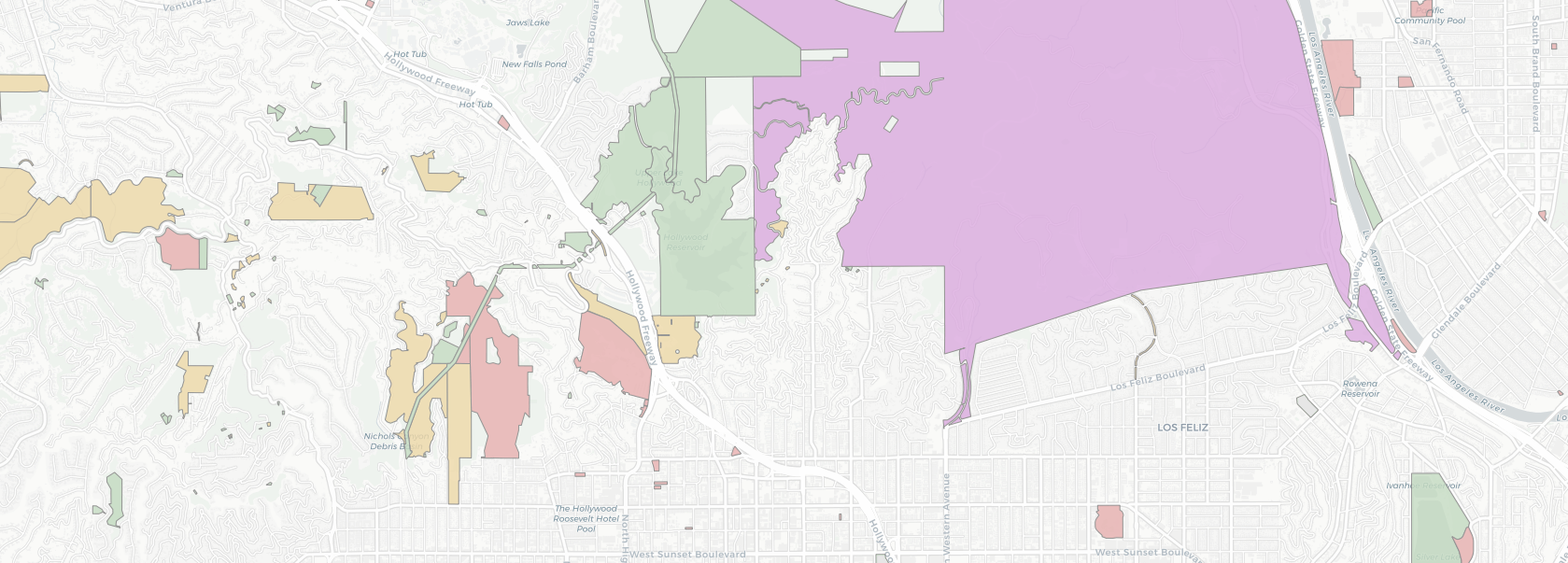
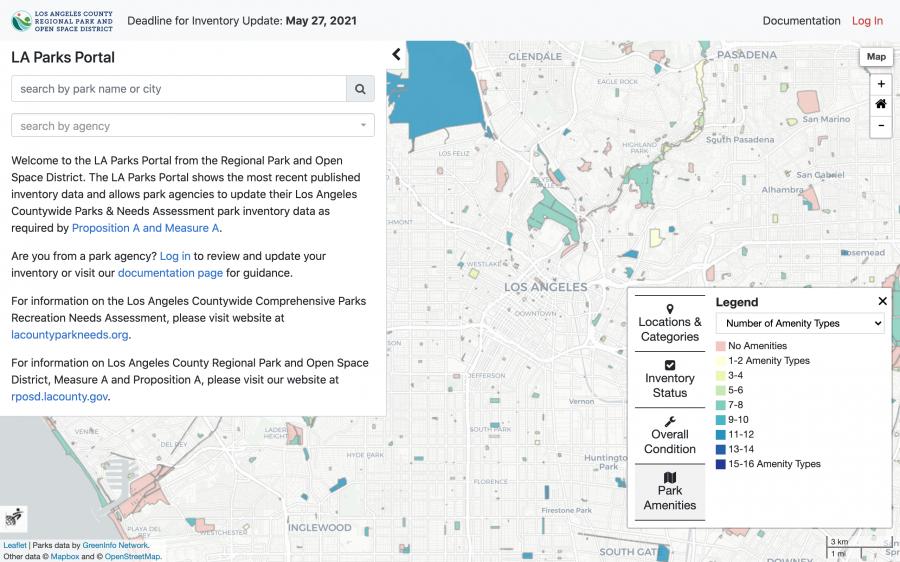
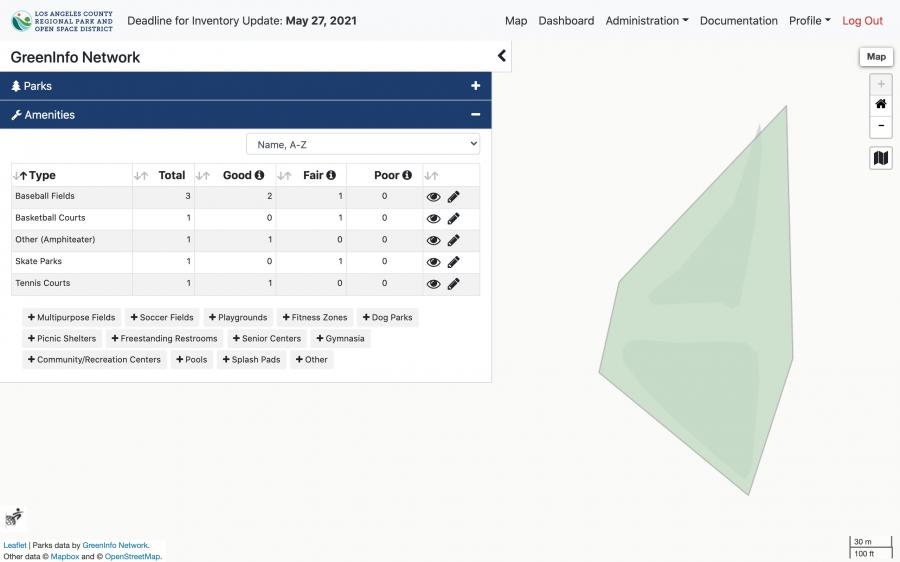
- The creation of LAParksPortal, an easy-to-use online inventory system for use by more than 100 agencies in the nation's most populous county.
The Work
Background
Several years ago, GreenInfo helped with several one-time inventories of every park and park amenity in Los Angeles County. That work, done with PlaceWorks and the county, helped support the successful passage of 2016’s Measure A, the largest municipal park funding measure in U.S. history. Measure A was successful in part because it presented a data-driven picture of park need across the county, ensuring that funds went to those communities most in need. The Park Need Analysis that formed the foundation of Measure A also informed the measure’s requirement for an ongoing annual inventory of parks, amenities, and their condition. For that ongoing use, the county needed a more robust, easier-to-use full online system for the staff of local park agencies to keep their data current. We developed LAParksPortal.org to be that system.
Process
We began the project with extensive design research, interviewing staff at a range of small, medium, and large agencies to understand how they manage their park and amenity data now, and how the new portal can help them do their work more easily. Some of the key messages we heard: Help me see what is most important to me. Send me reminders of what I need to be doing to stay current in this system. And help me manage data in draft form, and review internally, before I submit it to RPOSD and publish it to the world.